
That Grinding, Squealing Garage Door Is Trying to Tell You Something
If your garage door has started sounding like a freight train every time you open or close it, you're not alone. Noisy garage doors are one of the most common complaints we hear from homeowners across Murfreesboro, and for good reason — the noise can shake walls, wake up sleeping kids, and make you dread pulling into your own driveway.
But here's the thing most people don't realize: a loud garage door isn't just an annoyance. It's often an early warning sign that something is wearing out, coming loose, or about to fail. The good news is that many causes of garage door noise are fixable, and catching them early can save you from a much more expensive repair down the road.
Let's walk through the most common reasons your garage door is making a racket and what you can do about each one.
1. Worn or Dry Rollers
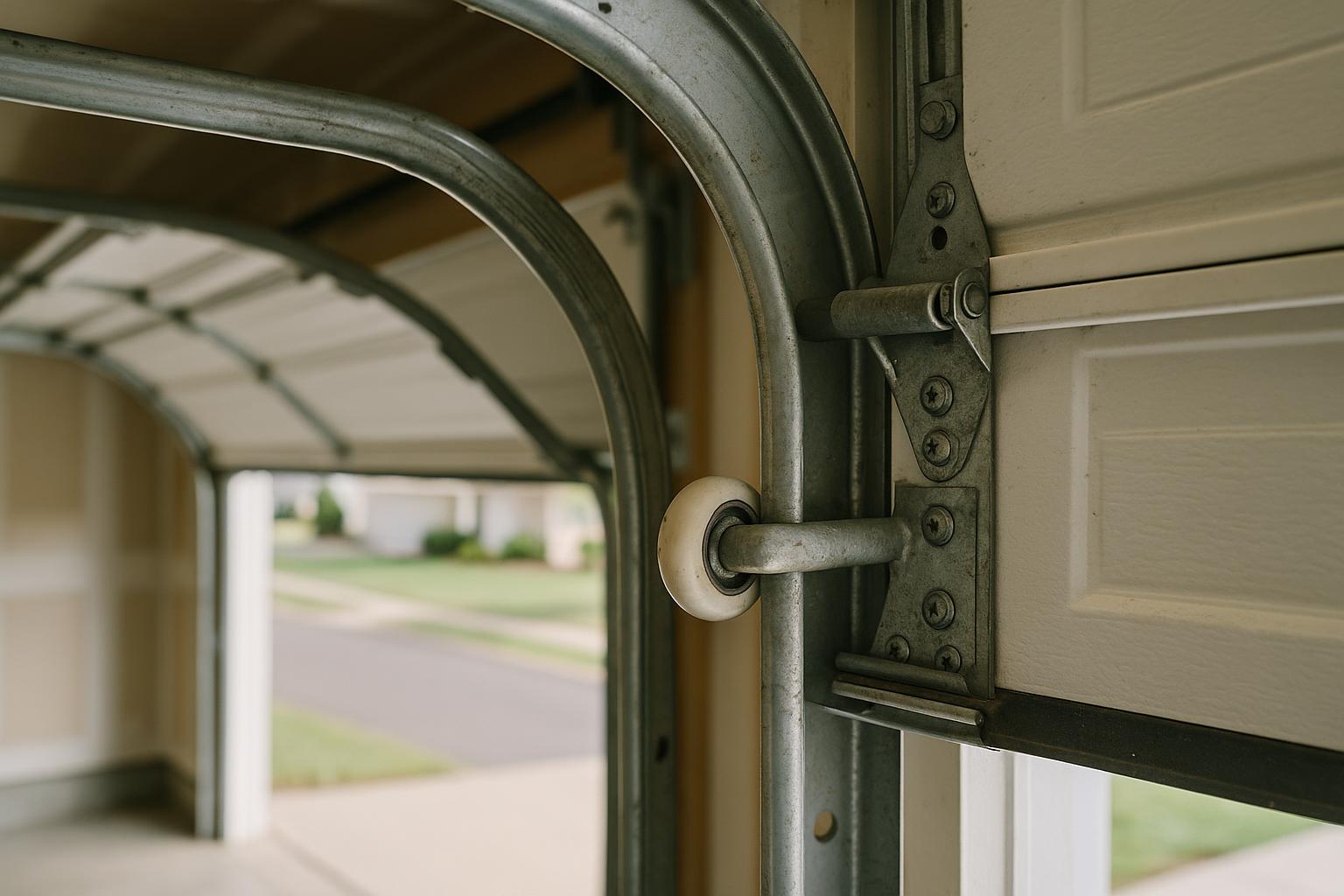
This is the number one culprit behind noisy garage doors. The rollers are the small wheels that guide your door along the metal tracks on either side. Over time, these rollers wear down, lose their lubrication, or develop flat spots — and when they do, you'll hear grinding, squeaking, or rattling every time the door moves.
Metal rollers are especially prone to noise as they age. If your home in Murfreesboro is more than 10 years old and you've never replaced the rollers, there's a good chance they're the source of the problem.
The fix: Nylon rollers are significantly quieter than their metal counterparts and don't require as much lubrication. Replacing worn rollers is a relatively straightforward job for a garage door technician, and the difference in noise level can be dramatic.
2. Lack of Lubrication
Your garage door has a lot of moving parts — rollers, hinges, springs, bearings, and tracks. When those parts aren't properly lubricated, metal grinds against metal, and you get that unmistakable screeching or squealing sound.
Tennessee's humidity can actually work against you here. While moisture in the air might seem like it would help, it can actually cause rust and corrosion on metal components, which makes the friction and noise even worse.
The fix: Apply a garage door-specific lubricant (not WD-40, which is a solvent, not a lubricant) to the following parts at least twice a year:
- Rollers
- Hinges
- Springs
- Bearing plates
- Lock mechanism
If you're not sure which lubricant to use or how to safely access the springs, a professional maintenance visit can take care of everything at once.
3. Loose Hardware
Your garage door opens and closes roughly 1,500 times per year. That constant vibration gradually loosens nuts, bolts, and brackets throughout the entire system. Loose hardware creates rattling and banging sounds that echo through your garage and into your home.
The fix: Grab a socket wrench and tighten the bolts on the door's hinges, brackets, and track supports. Be careful not to overtighten — you just want them snug. If you notice any bolts that are stripped or brackets that are cracked, those should be replaced.
4. Worn Torsion Springs
If you're hearing a loud popping, snapping, or creaking sound — especially when the door first starts to move — your torsion springs may be nearing the end of their lifespan. Torsion springs bear the full weight of your garage door, and as they age, they can develop stress fractures or lose tension unevenly.
The fix: Spring replacement is not a DIY job. Torsion springs are under extreme tension and can cause serious injury if handled incorrectly. If you suspect your springs are the source of the noise, call a qualified garage door technician in Murfreesboro to inspect and replace them safely.
5. Misaligned or Damaged Tracks
The metal tracks that guide your garage door need to be properly aligned for smooth, quiet operation. If a track gets bumped, bent, or shifts over time, the door can scrape, grind, or vibrate loudly as it moves through the misaligned section.
The fix: Visually inspect your tracks for any obvious bends, gaps between the track and rollers, or debris buildup. Minor alignment issues can sometimes be corrected by loosening the track brackets and gently tapping the track back into position. However, significantly bent or damaged tracks should be professionally repaired or replaced to avoid the door jumping off the track entirely.
6. An Aging or Failing Garage Door Opener
Sometimes the noise isn't coming from the door itself — it's the opener. Chain-drive garage door openers are notoriously loud, and as they age, the chain can stretch and slap against the rail, creating a jarring metallic sound.
If your opener is more than 15 years old, it may also lack the vibration-dampening features found in modern units.
The fix: If you have a chain-drive opener and noise is a priority, consider upgrading to a belt-drive opener. Belt-drive systems are dramatically quieter and are a popular choice among homeowners in Murfreesboro's newer neighborhoods like Blackman and Salem area communities. We install a variety of opener models and can help you find the right balance of performance and price.
7. Vibration Transfer to the Ceiling and Walls
Even if your garage door system is in good shape, vibrations from the opener can transfer through the mounting bracket into your ceiling joists and walls, amplifying the sound throughout your home.
The fix: A vibration isolation kit — a simple rubber pad that sits between the opener and the ceiling bracket — can significantly reduce the noise that transfers into your living space. It's an inexpensive upgrade that makes a noticeable difference.
When Should You Call a Professional?
Some of these fixes are manageable for a handy homeowner, but others require professional tools, parts, and expertise. Here's a quick rule of thumb:
- DIY-friendly: Lubrication, tightening loose hardware, cleaning tracks
- Call a pro: Spring replacement, track realignment, roller replacement, opener installation
If you've tried the basics and your garage door is still making excessive noise, or if the sound has changed suddenly, it's worth having a technician take a look. A sudden change in noise often means something has broken or shifted, and continuing to operate the door could make the problem worse.
Keep Your Garage Door Quiet with Regular Maintenance
The best way to prevent a noisy garage door is to stay ahead of wear and tear with regular maintenance. An annual or semi-annual tune-up includes lubrication, hardware tightening, spring inspection, roller assessment, and opener testing — essentially everything we've covered in this post, handled in a single visit.
At Murfreesboro Garage Door Co, we offer maintenance services for homeowners across Murfreesboro, Smyrna, La Vergne, and the surrounding communities. Whether your garage door sounds like it's falling apart or you just want to keep things running smoothly, we're here to help. Give us a call and let's get your garage door back to the quiet, reliable operation you deserve.